
Digital Marketing for Small Business: A Complete Guide for Growth
In today’s fast-moving digital world, small businesses can no longer rely only on traditional marketing methods like flyers, billboards, or word of mouth. Customers now search online before making purchasing decisions, which makes having a strong digital presence essential. This is where digital marketing for small business plays a crucial role. It helps small brands compete with larger companies, reach the right audience, and grow sustainably with limited budgets.
Digital Marketing
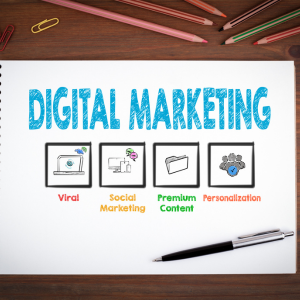
Digital marketing refers to promoting products or services through digital channels such as search engines, social media, email, websites, and mobile applications. Unlike traditional marketing, digital strategies allow businesses to target specific audiences, track performance in real time, and adjust campaigns quickly. For small businesses, this flexibility and cost-effectiveness are major advantages.
Digital marketing for Entrepreneurship
One of the biggest benefits of digital marketing for Entrepreneurship is accessibility. Entrepreneurs often start with limited resources, and digital platforms provide affordable ways to promote their ideas. A startup can create a social media page, build a simple website, or run a small ad campaign without spending a fortune. This levels the playing field and allows creativity and strategy to matter more than budget size.
audience targeting
Another important advantage is audience targeting. Digital tools allow businesses to reach people based on location, age, interests, behavior, and online activity. This precision ensures that marketing messages are shown to people who are more likely to become customers. For entrepreneurs, this means less wasted effort and higher return on investment. Digital marketing for Entrepreneurship also supports personal branding, helping founders build trust and authority in their niche.
SEO
Understanding the Type of digital marketing is essential for small business success. One major type is Search Engine Optimization (SEO), which focuses on improving a website’s visibility on search engines like Google. When customers search for products or services, SEO helps a business appear in relevant results. This is especially powerful for local businesses that want nearby customers to find them easily.
Social Media Marketing
Social Media Marketing is another popular approach. Platforms like Facebook, Instagram, LinkedIn, and TikTok allow businesses to engage directly with their audience. Through posts, stories, videos, and ads, brands can build relationships, showcase products, and receive instant feedback. For digital marketing for Entrepreneurship, social media also enables storytelling, which helps new brands connect emotionally with customers.
Content Marketing
Content Marketing is a long-term strategy that involves creating valuable content such as blogs, videos, guides, and infographics. Instead of directly selling, content marketing educates and informs the audience, building trust over time. Many entrepreneurs use this method to position themselves as experts, which strengthens credibility and customer loyalty.
Email Marketing
Email Marketing remains one of the most effective tools for small businesses. It allows direct communication with customers through newsletters, promotions, and personalized offers. Compared to other channels, email marketing has a high conversion rate and is cost-efficient, making it ideal for digital marketing for Entrepreneurship.
Paid Advertising
Paid Advertising, such as Google Ads or social media ads, is another important Type of digital marketing. While it requires budget planning, paid ads deliver quick visibility and measurable results. Small businesses can start with low budgets, test different messages, and scale what works.
conclusion
In conclusion, digital marketing is not just an option but a necessity for modern small businesses. It empowers entrepreneurs to build visibility, connect with customers, and grow strategically. By understanding the different Type of digital marketing and applying them wisely, small businesses can achieve sustainable success in an increasingly competitive digital landscape.